

Rigid-Flex Printed Circuit Boards
Rigid-flex printed circuit boards (PCBs) combine the advantages of rigid PCBs with the flexibility of flex circuitry. These hybrid circuits enable product miniaturization and improve functionality in a wide variety of applications. However, they are often more expensive than traditional rigid PCBs. The cost implications of a rigid-flex PCB design vary by project, but a few key factors can help determine the right fit for your business.
The cost of a rigid-flex circuit board is usually driven by the number of layers, material costs, and manufacturing processes. For example, multilayer designs require more materials and more complex processing steps than single-layer designs. Also, larger boards with complex geometries require specialized equipment and can increase overall fabrication expenses. The type of conductor material used in the rigid-flex PCB can impact costs as well. For instance, copper is a popular choice for rigid-flex circuits because it is available in many thicknesses and weights, and can be treated to reduce bond degradation and enhance adhesion and strength.
rigid-flex printed circuit board can offer significant cost savings in high-density applications. For example, a rigid-flex PCB can accommodate more connectors and cables in a smaller footprint than traditional rigid PCBs. This can save valuable space in the final product, and allow for more advanced features. Rigid-flex PCBs can also be more cost effective for high-speed and high-frequency applications where signal integrity is critical.
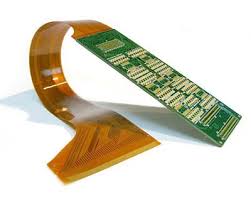
Cost Implications of Rigid-Flex Printed Circuit Boards
Another important factor to consider is the mechanical reliability of a rigid-flex PCB. This can be affected by the selection of the proper material for flex areas, along with careful placement and engineering to minimize stress points. It is also important to use rounded edges in flex areas, which can provide greater tear resistance than sharp corners. A good quality rigid-flex PCB should be able to withstand repeated bending, and should also incorporate effective heat management strategies to reduce thermal stress.
In addition to mechanical reliability, a rigid-flex PCB should be compatible with pre-existing systems and components. This can reduce the need for costly adaptors and conversions, as well as simplify assembly time. In addition, a rigid-flex PCB can lower maintenance and repair expenses by reducing the need for additional components or replacements.
The final cost of a rigid-flex PCB is also dependent on the total quantity and length of the production run. A longer production run can provide significant savings over the life of the product. Despite their numerous advantages, rigid-flex PCBs can be expensive to produce compared to standard rigid or flexible boards. The complexity of their design, the need for specialized materials, and the precision required in manufacturing contribute to the higher costs.
Although a rigid-flex PCB is typically more expensive than a traditional rigid PCB, the long-term savings and improved assembly and integration efficiencies can more than offset the initial investment. Additionally, a rigid-flex PCB can reduce maintenance and repair costs by eliminating the need for components such as connectors and cables. By ensuring that the PCB is designed and manufactured correctly, you can avoid potential issues that could lead to failure, and ensure long-term performance and value.