

Flex Circuit Manufacturers
A flex circuit manufacturers is a manufacturer that creates flexible printed circuit boards. These circuits are typically made of copper or another conductive metal encased in an insulating dielectric material, such as polyimide. This enables the flex circuit to safely bend and flex as it carries electric power and electronic signals. This flexibility can also help reduce wiring considerations and overall product size. Flex circuits are fast becoming the preferred interconnect solution for many electronics products. They are often used in conjunction with rigid circuit boards, which provide stability and reliability for parts of the design that require it.
A single-sided flex circuit manufacturer is the most common type of flexible printed circuit board. It has one layer of conductors on both sides and a protective solder mask on one side. This circuit board type is most useful for applications that need to flex and bend without the risk of cracking the copper.
Flex circuits can be manufactured with one or more layers of conductors, and can be constructed with or without plated through holes. They can be fabricated with or without an adhesive base layer, and are most commonly produced with a base of PI (polyimide) or other insulating materials. Alternatively, they can be made with an adhesiveless construction that uses a special copper coating and allows them to withstand high-temperatures.
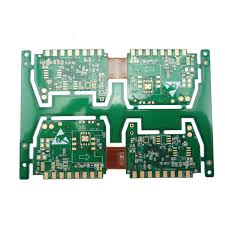
Flex Circuit Manufacturers – What Is It?
The most popular flex circuits are constructed using thin copper, which has good electrical properties and is relatively cheap to produce. Thicker copper traces are more durable and offer better signal transfer, but are usually much more expensive. In some cases, thicker traces are required for certain applications, such as high-speed data transmission.
In addition to thickness, a number of other factors affect the performance of a flex circuit. The copper used in a flex circuit can be coated with various finishing options, such as tin or soft gold, to protect it from oxidation and to improve the solderability of the circuit. These coatings can also improve the electrical conductivity of the flex circuit and decrease the chance of it shorting under stress.
The specialized fabrication process that goes into creating a flex circuit can be quite involved, requiring sophisticated tools and equipment. The production process is a bit more complicated than a standard printed circuit board, but the final result can be a product that offers a number of advantages over traditional rigid boards. In some cases, a flex circuit can even replace the need for hand wires, saving both time and money in the assembly process. However, it is important to discuss the specific needs of a project with a flex circuit manufacturer before choosing a particular manufacturing method. They can recommend the best approach based on the project’s requirements and budget.