

circuit board reliability
Ensuring the reliability of circuit boards is a critical aspect of electronics design and manufacturing. A reliable circuit board can significantly enhance the overall performance and longevity of electronic devices, reducing the likelihood of failures and costly repairs. Reliability is particularly important in applications such as aerospace, medical devices, automotive systems, and industrial equipment, where failures can have serious consequences. To achieve high levels of reliability, various design, manufacturing, and testing strategies must be implemented throughout the lifecycle of the circuit board. This article explores the key practices to ensure circuit board reliability.
One of the foundational steps in ensuring circuit board reliability is the selection of high-quality materials. The substrate material, typically FR-4 (fiberglass epoxy), must be chosen based on the specific application requirements, including thermal and electrical performance. For high-temperature or high-frequency applications, materials like polyimide or Teflon may be more appropriate due to their superior thermal stability and dielectric properties. Additionally, using high-quality solder and components that meet industry standards can enhance the board’s durability. Selecting materials with known performance characteristics helps mitigate risks associated with material degradation over time.
Designing a circuit board with reliability in mind involves various best practices. First, it is essential to create a schematic that minimizes potential issues, such as signal integrity problems and power distribution challenges. Proper layout techniques, such as maintaining adequate spacing between traces, using appropriate trace widths, and incorporating ground planes, help reduce noise and electromagnetic interference. Designers should also consider thermal management strategies, including heat sinks and proper airflow, to dissipate heat effectively. Additionally, ensuring that components are rated for the intended operational environment, including temperature and humidity, can prevent premature failure.
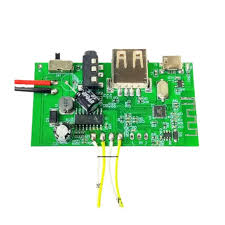
How do you ensure circuit board reliability?
Rigorous testing and validation are critical for ensuring circuit board reliability. Before a circuit board goes into production, it should undergo various tests to identify any potential weaknesses. These tests may include thermal cycling, vibration testing, and humidity testing to simulate real-world conditions. Additionally, using techniques such as design for manufacturability (DFM) and design for testability (DFT) can help identify issues early in the design process. Implementing accelerated life testing can also provide insights into how the board will perform over time, allowing for adjustments before mass production.
Manufacturing processes significantly impact circuit board reliability. Implementing strict quality control measures throughout the production process helps identify defects early. This can include inspections at various stages, such as solder joint quality checks, visual inspections, and automated optical inspections (AOI) to ensure that components are correctly placed and soldered. Adopting industry standards such as IPC-A-600 for acceptance of printed circuit boards can help maintain quality. Additionally, using reputable suppliers and ensuring that materials meet relevant certifications can contribute to overall reliability.
Environmental factors can greatly affect circuit board reliability. Proper encapsulation, conformal coatings, or potting materials can protect the circuit board from moisture, dust, chemicals, and other contaminants. These protective measures are especially critical in harsh environments, such as automotive or industrial applications. Furthermore, designers should consider the thermal environment, ensuring that the board can operate within specified temperature ranges without overheating. Implementing proper grounding and shielding techniques can also help mitigate the effects of environmental noise and interference.
Finally, establishing a system for continuous monitoring and feedback is essential for maintaining circuit board reliability over time. This can involve integrating sensors to monitor temperature, humidity, and other critical parameters in real time. Gathering data from these sensors can help identify potential issues before they lead to failures. Additionally, analyzing feedback from end-users regarding performance and failures can provide valuable insights for future designs, allowing for continuous improvement and enhanced reliability.
In conclusion, ensuring circuit board reliability requires a comprehensive approach that encompasses material selection, robust design practices, rigorous testing, quality control during manufacturing, environmental considerations, and continuous monitoring. By implementing these strategies, manufacturers can significantly enhance the reliability of circuit boards, ensuring that electronic devices perform consistently and effectively throughout their intended lifespan. As technology continues to advance, prioritizing circuit board reliability will remain crucial in developing dependable and high-performance electronic systems.