

Printed circuit assembly services processes
Panelization, a process in which multiple individual PCBs are arranged and connected on a larger panel, offers several significant advantages in optimizing Printed Circuit Assembly (PCA) services processes. By grouping PCBs together on a single panel, manufacturers can streamline various stages of the assembly process, improve production efficiency, and reduce costs while maintaining quality and reliability standards. Panelization is widely utilized in electronic manufacturing to maximize throughput, minimize material waste, and facilitate handling and assembly automation.
One of the key benefits of panelization is increased production throughput and efficiency. By assembling multiple PCBs simultaneously on a single panel, manufacturers can achieve higher assembly yields and reduce overall cycle times. With more PCBs processed in each assembly run, the time and resources required for setup, loading, and unloading are minimized, maximizing equipment utilization and operator productivity. This results in shorter lead times, faster turnaround, and increased manufacturing capacity to meet customer demand efficiently.
Moreover, panelization enables efficient use of materials and resources, leading to cost savings and improved profitability in PCA services. By arranging printed circuit assembly services closely together on a panel, manufacturers can optimize material utilization and minimize scrap during the fabrication and assembly processes. This reduces material waste and lowers production costs associated with raw materials, handling, and disposal. Additionally, panelization allows manufacturers to leverage economies of scale by producing larger quantities of PCBs in each production run, further driving down unit costs and enhancing competitiveness in the marketplace.
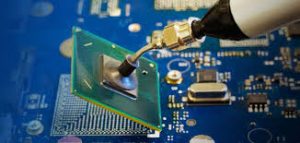
How does panelization optimize Printed circuit assembly services processes?
Furthermore, panelization facilitates handling and automation of PCB assembly processes, enhancing overall manufacturing efficiency and reliability. PCB panels are designed with standardized dimensions and features, making them compatible with automated equipment such as pick-and-place machines, solder paste printers, and reflow ovens. Automated assembly systems can process entire panels of PCBs in a single operation, reducing manual intervention, minimizing handling errors, and improving process consistency and repeatability. This results in higher quality PCB assemblies with fewer defects and higher yields, ultimately enhancing customer satisfaction and brand reputation.
Additionally, panelization offers flexibility and scalability in PCB manufacturing, allowing manufacturers to adapt to changing production requirements and customer preferences. Panel designs can be customized to accommodate various PCB sizes, shapes, and configurations, providing versatility in manufacturing different types of electronic devices and applications. Manufacturers can adjust panel layouts and quantities based on demand fluctuations, market trends, and production scheduling needs, optimizing resource allocation and maximizing operational efficiency.
Furthermore, panelization supports efficient testing, inspection, and quality assurance processes in PCA services. PCB panels can be designed with test points, fiducial marks, and inspection features to facilitate automated testing and inspection procedures. By testing and inspecting multiple PCBs simultaneously on a panel, manufacturers can identify defects, verify functionality, and ensure compliance with quality standards more efficiently. This reduces the time and cost associated with individual PCB testing and inspection, enabling faster feedback loops and quicker resolution of quality issues.
In conclusion, panelization plays a crucial role in optimizing Printed Circuit Assembly (PCA) services processes by increasing production throughput, reducing costs, enhancing manufacturing efficiency, and improving quality and reliability. By grouping multiple PCBs together on a single panel, manufacturers can achieve economies of scale, streamline handling and automation, and adapt to changing production requirements more effectively. Panelization is a valuable strategy for maximizing the efficiency and competitiveness of electronic manufacturing operations, ultimately delivering superior products and services to customers.


