

Quality Control Play a Role in PCB Board Assembly Manufacturing
For electronic devices to function correctly, they require reliable printed circuit boards (PCBs) that will provide a strong and stable electrical connection. This is why ensuring that all stages of the pcb board assembly manufacturing process meet quality standards is vitally important to any manufacturer. From component selection and placement to soldering, the smallest of faults can cause significant problems down the line. This is why a quality control system is necessary to monitor all aspects of the assembly process.
Whether they’re used for gaming systems or medical equipment, a PCB’s reliability is crucial to the end user’s experience with it. For this reason, it’s essential that manufacturers employ a rigorous PCB inspection and testing procedure to ensure that all critical steps of the process are completed properly. Performing regular inspections and tests, like X-Ray inspection, will help to ensure that the components are of high quality and are fit for purpose.
The first step in a comprehensive PCB quality control process is a detailed visual inspection. During this stage, inspectors will look for any visible defects on the board, such as scratches or cracks that could affect functionality. They’ll also look for incorrectly placed or soldered components, and poorly executed solder joints that could result in shorts or open circuits.
Once a visual inspection is complete, the next step is a full test of each individual component. This will include measuring the impedance of each transmission line to make sure that they are within the acceptable limits set by the PCB designer. Impedance testing can be done with a network analyzer, which measures the capacitance, inductance, and resistance of the traces on the circuit board.
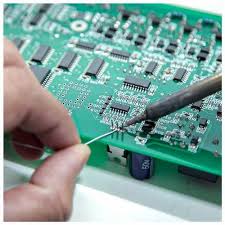
How Does Quality Control Play a Role in PCB Board Assembly Manufacturing?
After all the individual components have been tested, they can be combined into a finished PCB. This will then be subjected to functional testing to check that it is fit for its intended purpose. Having an in-house laboratory that can perform these tests quickly and efficiently is essential to any PCB manufacturer, as it allows them to maintain a high standard of product quality while keeping production time as low as possible.
As part of any thorough inspection and test process, it’s essential that each assembled PCB is fully documented with the results of its tests. This will allow for any issues to be easily identified and rectified, avoiding costly delays or even product recalls in the future. Documentation is also useful for maintaining accurate traceability throughout the manufacturing process, which is essential for continuous improvement initiatives.
Creating precision electronics requires a clean and orderly workspace that’s well-suited to the job at hand. The layout of an EMS’s assembly lines should reflect this, and their facilities should be equipped with appropriately maintained and up-to-date machinery. Moreover, the company’s culture and goals should encourage and support an ethos of quality control. All of this contributes to a quality finished product that’s worthy of its place in the hands of an end user.


