

PCB Fabrication Assembly Can Withstand Harsh Environments
As electronics are increasingly used in a variety of environments, it is vital that they can withstand the various environmental conditions to which they will be exposed. For example, military and defence equipment are often subject to long periods of exposure to harsh environments, including extremes in temperature, varying humidity levels, chemical contaminants, vibrations and electromagnetic interference (EMI). The components used in these devices must be able to operate under these conditions without sacrificing performance or functionality.
To help ensure that PCBs and pcb fabrication assembly can function reliably under the most challenging conditions, it is important to implement protective measures during the manufacturing process. Some of these power tips include conformal coating, and using high-quality cleaning products.
In addition, the design and fabrication process can be made more robust by choosing appropriate materials. For example, for high-temperature applications, the use of thermally conductive laminates can improve heat dissipation. For boards that will be deployed in a humid environment, the use of moisture-resistant laminates can provide additional protection against corrosion. It is also critical to use components rated for the operating conditions under which they will be operated. This may involve using industrial-grade or military-grade components, which typically have higher operating temperatures and a greater resistance to environmental conditions.
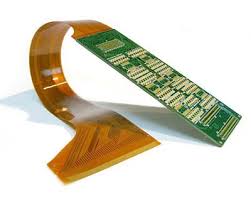
How PCB Fabrication Assembly Can Withstand Harsh Environments
Lastly, it is important to design with assembly in mind by following best practices and techniques such as:
Use of proper component package size is essential. Choosing smaller packages can lead to rework issues, which can impact the reliability of the finished product. By choosing the right package sizes, it is possible to avoid these problems and create a more reliable product.
Efficient heat dissipation is also an essential aspect of ensuring the reliability and performance of electronic systems. For example, the use of thermal vias, heat sinks, phase change pads and fans can significantly reduce the buildup of heat on PCBs in confined or harsh environments by improving airflow and allowing for the transfer of heat to surrounding components.
The final key to ensuring that a PCB can operate reliably in harsh environments is thorough testing and inspection. This includes implementing stringent ESD protection protocols and a strict adherence to quality assurance standards, including AOI and X-ray inspection. Additionally, implementing advanced inspection technologies and a comprehensive training program for manual soldering operators is an effective way to mitigate defects during the assembly process.
By taking these steps, it is possible to produce a PCB that can operate reliably in harsh environments. The resulting system will be able to withstand the vibrations and other environmental conditions that can damage or disrupt it, making it an effective tool for military and defence applications. To learn more about PCB fabrication and assembly, check out Sierra Circuits’ blog. We offer a wide range of flex, HDI and other types of boards to fit your specific needs. We can even produce prototypes and short runs of your board designs to help you bring your product to market faster.