

techniques play in Printed circuit board assembly services
Inspection techniques play a crucial role in ensuring the quality, reliability, and performance of Printed Circuit Board (PCB) assembly services. These techniques involve the systematic examination and evaluation of assembled PCBs to detect defects, errors, or anomalies that could compromise the functionality or integrity of electronic devices. Inspection processes are integral to every stage of PCB assembly, from initial component placement to final testing, and are essential for achieving high-quality production standards.
One of the primary roles of inspection techniques in printed circuit board assembly services is to identify and rectify defects early in the production process. Early detection of defects allows for timely corrective actions, minimizing the impact on downstream processes and reducing the risk of costly rework or scrap. Inspection techniques such as automated optical inspection (AOI) and X-ray inspection enable rapid and accurate detection of defects such as soldering errors, component misalignment, and missing or damaged components.
Moreover, inspection techniques play a critical role in ensuring compliance with quality standards and regulatory requirements. PCB assembly services must adhere to industry standards such as IPC-A-610 for acceptability of electronic assemblies and regulatory requirements such as RoHS (Restriction of Hazardous Substances) and REACH (Registration, Evaluation, Authorization, and Restriction of Chemicals) directives. Inspection processes help verify conformance to these standards and regulations, ensuring that assembled PCBs meet the necessary quality and safety criteria for market acceptance.
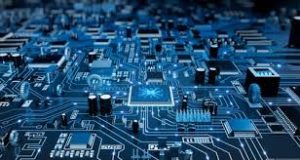
Role do inspection techniques play in Printed circuit board assembly services?
Furthermore, inspection techniques contribute to process optimization and continuous improvement in PCB assembly services. By analyzing inspection data and identifying trends or patterns in defects, manufacturers can pinpoint areas for process refinement or enhancement. For example, recurring defects may indicate the need for adjustments to soldering parameters, improvements in component handling procedures, or enhancements to operator training programs. Continuous monitoring and analysis of inspection results enable PCB assembly services to implement corrective and preventive actions that drive operational excellence and improve overall product quality.
Additionally, inspection techniques play a vital role in ensuring the reliability and performance of electronic devices. Defects such as cold solder joints, solder bridges, or open circuits can compromise the electrical connections within the PCB, leading to functional failures or reliability issues in the field. Inspection processes help mitigate these risks by identifying and addressing defects before the assembled PCBs are deployed in end-use applications. By ensuring the integrity of solder joints, component placements, and interconnections, inspection techniques contribute to the long-term reliability and performance of electronic devices.
Moreover, inspection techniques support customer satisfaction and brand reputation in PCB assembly services. High-quality inspection processes demonstrate a commitment to delivering defect-free products that meet or exceed customer expectations. By providing assurance of product quality and reliability, inspection techniques enhance customer confidence and loyalty, leading to positive feedback, repeat business, and referrals. Conversely, inadequate inspection practices can result in product recalls, warranty claims, and damage to brand reputation, highlighting the importance of robust inspection processes in PCB assembly services.
In conclusion, inspection techniques play a multifaceted role in Printed Circuit Board assembly services, encompassing defect detection, quality assurance, process optimization, and customer satisfaction. By implementing advanced inspection technologies, rigorous quality standards, and continuous improvement initiatives, PCB assembly services can ensure the production of high-quality, reliable, and compliant electronic assemblies. Inspection processes are essential for achieving excellence in PCB assembly services and are integral to meeting the evolving demands of the electronics industry.