

typical lead time with a flex PCB manufacturer
The typical lead time with a flex PCB manufacturer is 24 hours for prototypes and 5-7 days for standard production. However, these lead times may vary depending on the complexity, quantity, and quality requirements of your design. To ensure you get the best possible lead times, partner with a flex PCB manufacturer that is geared to handle the complex, high-quality demands of your project.
In addition to specialized equipment and materials, flex pcb manufacturer also employ special processes that differentiate them from standard PCB fabrications. These include molding, laminating, surface treatment, cutting, and bonding of materials to form the final product. Using these specialty processes allows the manufacturer to produce high-quality flex circuit boards that can be used in a variety of applications.
Flexible circuit boards offer a variety of benefits for electronic products, from consumer electronics like laptops and tablets to medical devices, drones, and more. By allowing for bendable and compact wiring systems, flexible PCBs enable lightweight products that are more compact and have lower inductance. They can also reduce overall assembly costs, as well as improve reliability and efficiency by reducing rework and manufacturing error.
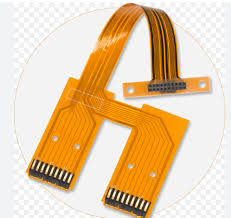
What is the typical lead time with a flex PCB manufacturer?
A flex PCB is a printed circuit board that has been manufactured with conductive copper traces on both sides of the substrate. This enables the board to be more flexible than a rigid PCB and allows it to be bent in any direction without damaging the circuitry. To manufacture a flex PCB, the board is coated with a photoresist material that is overlaid with a circuit artwork pattern. Then, a buildup process is used to deposit copper over the entire panel. After that, the panels are exposed to light, which etch away the non-copper areas of the board. This creates the conductive circuit patterns on the board.
The etching process can take longer than that of a standard PCB because it requires a higher concentration of acid and a shorter exposure time. This is because the etching rate of a flex PCB is higher due to the material’s flexibility and the fact that the copper ions are more mobile than those in a rigid PCB.
Another factor that can prolong the etching process is the use of unbalanced constructions in the flex circuitry, such as a disproportionate 1/H and 1/2 copper weight ratio in the flex region. In order to minimize these factors, you should choose a fabricator that carries a stock of the most popular stack-ups and avoid using non-standard materials.
RayPCB offers a fast-turn, low-cost flex circuit production service that is ideal for new product introductions. Their end-to-end manufacturing expertise, stringent quality controls, advanced technology, and comprehensive customer support ensure that your flex PCB production runs smoothly. They offer a range of multilayer flex, HDI flex, and high-frequency flex PCBs to meet any application. Their team of engineering experts is on-hand to provide free DFM analysis and recommendations that optimize flex PCB designs for manufacturability. Their fast turnaround and exceptional quality allow you to iterate your hardware and bring your product to market faster.