

typical markup for wholesalers
Understanding what is a wholesaler and how they operate is key to recognizing the pricing structure they use. A wholesaler acts as an intermediary, buying products in bulk from manufacturers at discounted rates and then reselling them in smaller quantities to retailers or businesses. The markup for wholesalers is a crucial aspect of their business model. Markup refers to the difference between the cost price of the product and the price at which it is sold. In the wholesale business, markup percentages are typically lower than those seen in retail businesses, as wholesalers sell in larger quantities to businesses, rather than directly to consumers.
The typical markup for what is a wholesaler usually ranges between 10% to 30%. This lower markup is due to the high volume of sales that wholesalers handle. Unlike retailers who sell directly to end consumers in smaller quantities, wholesalers rely on large orders from businesses, enabling them to maintain profitability with a smaller margin per unit. By focusing on high-volume transactions rather than high-percentage markups, wholesalers can still generate significant revenue while keeping their prices competitive for retailers. For example, a wholesaler who purchases an item for $10 from a manufacturer might sell it to a retailer for $12, making a $2 profit per unit.
Several factors influence the markup that a wholesaler applies to a product. One of the primary factors is the cost of purchasing the product from the manufacturer. The more favorable the wholesale price is, the lower the markup can be, allowing the wholesaler to remain competitive in the market. Wholesalers often negotiate bulk purchase discounts with manufacturers, enabling them to secure better prices and pass these savings on to their customers. This allows wholesalers to keep their markup lower while still maintaining healthy profit margins.
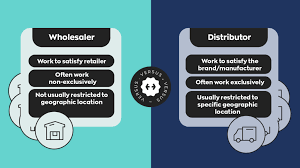
What is the typical markup for wholesalers?
Additionally, the type of product being sold can also impact the markup. Products that are high-demand or have low availability may allow wholesalers to charge higher markups. For instance, if a particular product is in short supply or highly sought after by retailers, wholesalers may increase their markup to capitalize on the demand. Conversely, products that are more easily available or less in demand might have a lower markup to encourage larger purchases from retailers. In industries where competition is fierce, wholesalers may reduce their markup to maintain a competitive edge and attract more business.
The level of service and value-added offerings that a wholesaler provides can also influence the markup. Some wholesalers offer additional services like expedited shipping, inventory management, or even customized packaging. If a wholesaler adds value through these services, they may justify a slightly higher markup. For example, a wholesaler who provides faster delivery times or who offers specialized products might increase their markup as a way to compensate for the added value they provide to their customers.
Wholesalers who deal in perishable goods or products with short shelf lives may also adjust their markup strategy accordingly. To move products quickly before they expire, they might reduce their markup to encourage quick sales, ensuring that their inventory turnover is high. Alternatively, wholesalers in specialized industries, such as luxury goods or electronics, might be able to charge higher markups due to the nature of the products they sell and the niche markets they serve.
In conclusion, the typical markup for wholesalers is generally lower than that of retailers, with ranges between 10% to 30%. This markup is influenced by factors such as product cost, demand, competition, and any value-added services offered. By understanding what is a wholesaler and how they determine pricing, businesses can better navigate their purchasing decisions and ensure they are working with wholesalers who offer the best value. The wholesaler’s markup strategy plays a significant role in how goods flow through the supply chain, from manufacturers to businesses and, ultimately, to consumers.