

flux play in Pcb assembly services
Flux plays a pivotal role in PCB assembly services, serving as a vital material in the soldering process that ensures the formation of strong, reliable, and durable solder joints between electronic components and the printed circuit board (PCB). Flux is a chemical compound that facilitates the soldering process by removing oxides, contaminants, and surface impurities from the metal surfaces to be soldered, promoting wetting and enhancing solderability. Its presence is essential for achieving proper adhesion, flow, and intermetallic bonding between solder and substrate, thereby ensuring the integrity and performance of the solder joints.
One of the primary functions of flux in pcb assembly services is to remove oxides from the metal surfaces of the PCB and components. Oxides form naturally on metal surfaces, particularly during storage or exposure to air, and can hinder the wetting and bonding of solder during the soldering process. Flux contains active chemical agents that react with and dissolve these oxides, allowing the solder to flow and adhere to the metal surfaces more effectively. By removing oxides, flux helps ensure the formation of strong, reliable solder joints that exhibit excellent adhesion and conductivity.
Moreover, flux serves to clean and prepare the metal surfaces of the PCB and components for soldering by removing contaminants and surface impurities. Dust, dirt, oils, residues, and other contaminants can accumulate on metal surfaces during handling, storage, or manufacturing processes, compromising the quality and reliability of solder joints. Flux acts as a cleaning agent, dissolving and removing these contaminants, ensuring that the metal surfaces are clean and free from any barriers that may inhibit solder wetting and bonding. Clean surfaces promote the formation of high-quality, defect-free solder joints with optimal adhesion and performance.
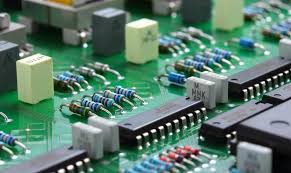
What role does flux play in Pcb assembly services?
Furthermore, flux promotes wetting, which is essential for achieving proper solder flow and bonding between the solder and substrate. Wetting refers to the ability of molten solder to spread and adhere to the metal surfaces of the PCB and components, forming strong, reliable bonds. Flux lowers the surface tension of the molten solder, allowing it to flow and wet the metal surfaces more effectively. This promotes intimate contact between the solder and substrate, ensuring thorough coverage and intermetallic bonding between the solder and the metal surfaces. Proper wetting is critical for preventing defects such as solder balls, solder bridges, and insufficient solder joints, which can compromise the functionality and reliability of the PCB assembly.
Additionally, flux serves as a protective barrier during the soldering process, preventing oxidation and re-oxidation of the metal surfaces exposed to heat. When exposed to high temperatures during soldering, metal surfaces are susceptible to oxidation, which can degrade solderability and hinder the formation of reliable solder joints. Flux forms a protective layer over the metal surfaces, shielding them from atmospheric oxygen and preventing oxidation from occurring. This ensures that the metal surfaces remain clean, reactive, and conducive to solder wetting and bonding throughout the soldering process.
In conclusion, flux plays a crucial role in PCB assembly services by facilitating the soldering process and ensuring the formation of strong, reliable, and durable solder joints. Its ability to remove oxides, clean metal surfaces, promote wetting, and provide oxidation protection is essential for achieving high-quality solder connections between electronic components and PCBs. By using flux appropriately and selecting the right formulation for the application, manufacturers can optimize the soldering process, minimize defects, and enhance the quality and reliability of PCB assemblies.